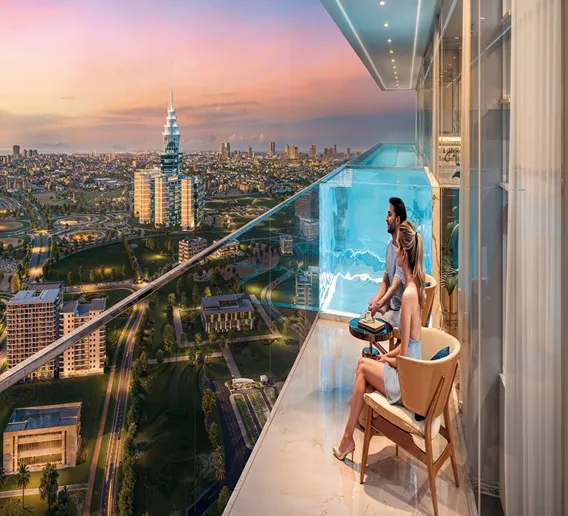
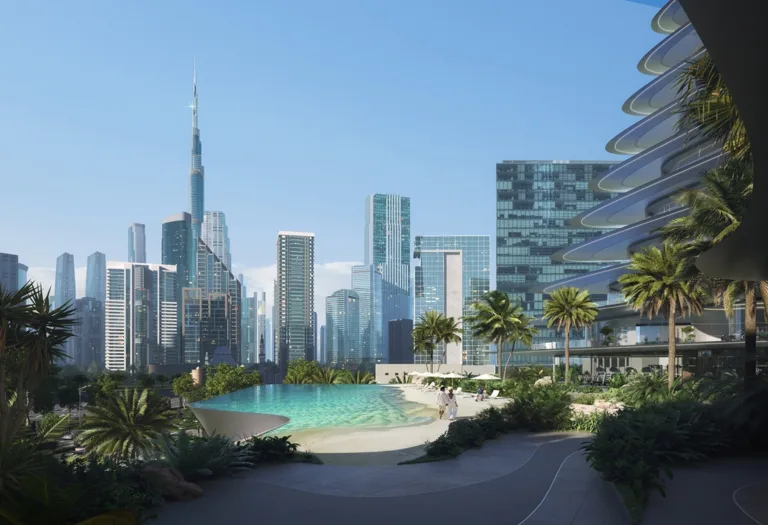
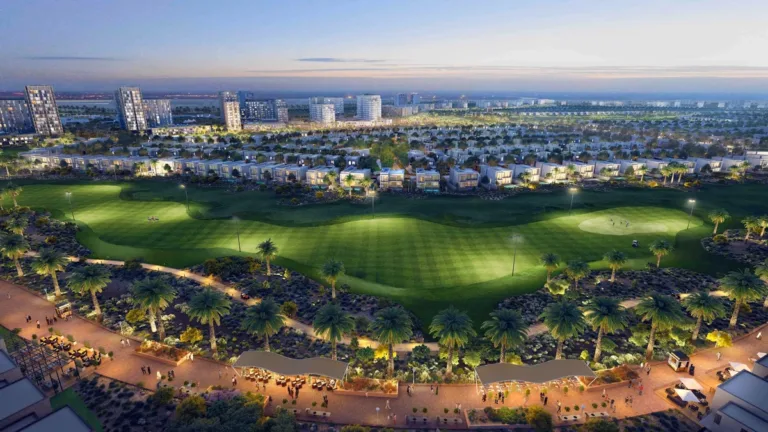
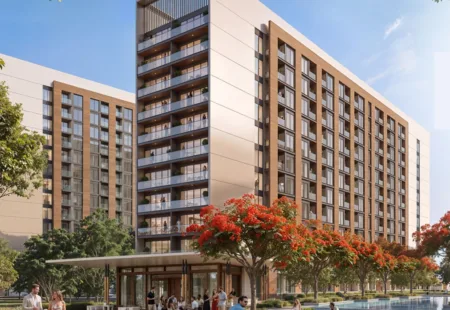
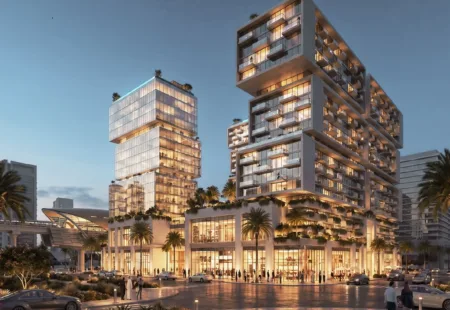
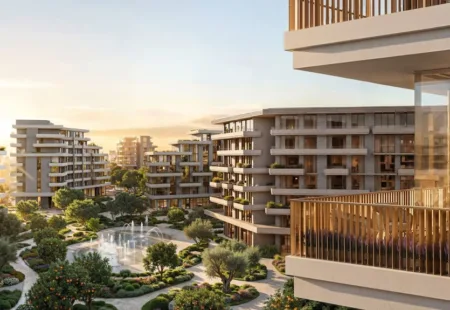
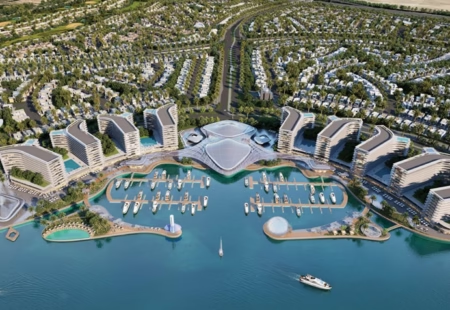
Dubai’s skyline keeps changing. But the bigger shift is happening at street level. Developers are no longer building single towers or stand-alone villa rows. They are building neighborhoods where people can live, work, shop, and relax without leaving the area. This is the mixed-use model, and it is fast becoming the standard for new projects across the city.
What Is a Mixed-Use Project?
A mixed-use project combines different functions in one development. A single site might include apartments, offices, shops, restaurants, and parks. Some projects add hotels or schools too. The goal is simple. People should be able to handle most of their daily needs within walking distance of home.
This is different from older Dubai developments. Many earlier communities were built around one purpose. A district was either residential or commercial. Mixed-use projects blend both, plus retail and leisure, into a single plan.
Why Dubai Is Moving Toward This Model
A few forces are driving this shift.
First, Dubai’s population keeps growing. More residents means more pressure on roads, parking, and transport. Mixed-use planning reduces that pressure. When homes sit close to offices and shops, people drive less and walk more.
Second, buyer expectations have changed. Many residents want more than four walls. They want cafes nearby, green space, and a short commute. A development that offers all of this holds more appeal than one that offers housing alone.
Third, developers see the financial logic. A mixed-use site keeps people on the property longer. Retail spaces benefit from steady foot traffic. Office towers (Al Habtoor Commercial tower) benefit from a built-in customer base living right next door. This balance supports stronger rental demand and steadier income for landlords.
Where This Trend Is Taking Shape
Several Dubai districts show this shift clearly.
Business Bay started as a commercial hub. It has since added more residential towers, hotels, and waterfront retail. The area now functions as a full lifestyle district rather than a business park.
Dubai Creek Harbour follows a similar path. The waterfront project pairs homes with retail, dining, and open public space along the water. Its design leans on walkability rather than car dependence.
Dubai South takes the model further. The district links housing with logistics hubs, business parks, and an expanding airport zone. It is built to serve workers, families, and investors at the same time.
Dubai Islands, developed by Nakheel, applies the same thinking to a coastal setting. The plan mixes homes, resorts, and leisure facilities across several islands connected by new infrastructure.
These examples point to one pattern. Dubai’s biggest projects now treat lifestyle, business, and leisure as parts of one plan, not separate ones.
Exact Off-Plan Mixed-Use Projects to Know
If you want specific names, here are off-plan developments in Dubai built on the mixed-use model.
- Dubai Square (Dubai Creek Harbour) – Developed by Emaar. This is a large retail and entertainment district sitting inside Dubai Creek Harbour. Construction is underway, with an opening expected in about three years. The district pairs shopping and leisure with the surrounding residential towers.
- Dubai Islands – Developed by Nakheel. Spread across five islands, the plan includes homes, resorts, beach clubs, and cultural spaces. Off-plan units are open for sale across several of the islands, including Central Island and Marina Island.
- Palm Jebel Ali – Developed by Nakheel. This waterfront project resumed after a long pause. The masterplan mixes villas, apartments, hotels, and public leisure space across the island layout.
- AHS City – Developed by AHS Properties. Positioned at the entrance to Sheikh Zayed Road, this off-plan project combines residential towers with retail and hospitality space. The developer has called it the company’s largest project to date.
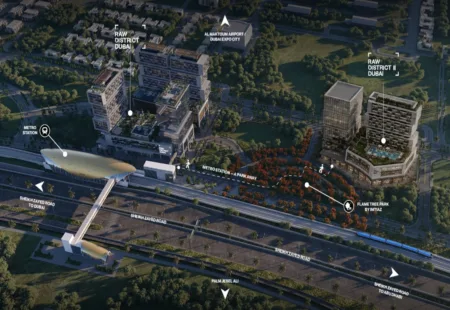
- Sheikh Zayed Road – RAW District’s launch-day sell-out highlights strong demand for mixed-use communities in Dubai. With RAW District 2 planned on Sheikh Zayed Road, Imtiaz is building on growing investor interest in integrated lifestyle destinations.
- The Oasis – Developed by Emaar. The community combines villas and townhouses with parks, dining options, and fitness facilities, built around a central lifestyle hub.
- Rashid Yachts & Marina – Developed by Dubai Holding. This waterfront district combines a working marina with homes, retail, and dining along the water.
- Dubai South – Developed by Dubai South (a government-backed master developer). Off-plan launches here continue to combine housing with business parks, logistics zones, and retail, all linked to the expanding Al Maktoum International Airport.
Each of these projects is at a different stage. Some, like Dubai Square, are under construction with a set opening window. Others, like Palm Jebel Ali, are early in their build cycle and will roll out over several years. Before buying into any of them, check the latest unit availability and construction update directly with the developer or a registered broker, since launch phases and pricing change often.
What This Means for Buyers and Investors
Mixed-use communities tend to offer a few practical advantages.
- Lower dependence on cars, since shops and services sit close by
- Steadier rental demand, since tenants value convenience
- Stronger resale appeal, since the lifestyle draw outlasts a single market cycle
- Better access to transport links, since many new mixed-use sites are planned around metro and road expansion
None of this guarantees profit. Real estate still carries risk. But data from recent years shows that well-planned mixed-use districts often hold value better than single-purpose developments during slower market periods.
Questions Worth Asking Before You Invest
Not every project labeled “mixed-use” delivers the same result. Before committing to one, it helps to check a few things.
- Does the developer have a track record of finishing projects on time?
- Is the retail and office space already leased, or still empty?
- How close is the nearest metro station or major road?
- Does the masterplan balance housing with enough commercial and leisure space, or does one dominate the other?
A project that ticks these boxes is more likely to deliver the lifestyle and returns buyers expect.
The Road Ahead
Dubai’s property market is shifting toward quality over speed. Buyers want real infrastructure, not promises. Mixed-use projects fit that mood well, since they offer immediate utility alongside long-term value.
Expect this trend to grow stronger through the next few years. New transport lines, including upcoming metro expansions, will likely boost demand for communities built around walkable, connected design. For investors and homebuyers alike, mixed-use districts are shaping up to be one of the safer bets in a market that increasingly rewards substance over hype.