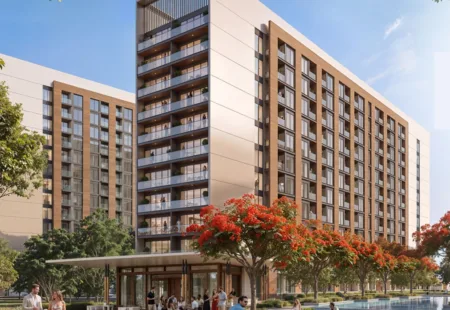
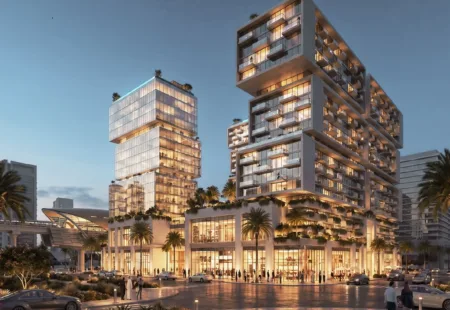
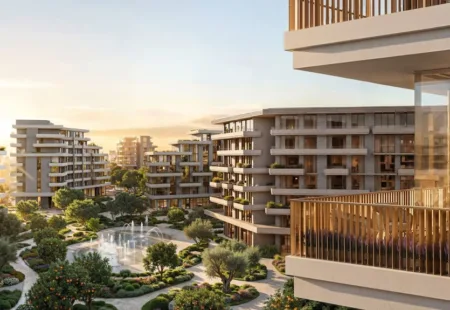
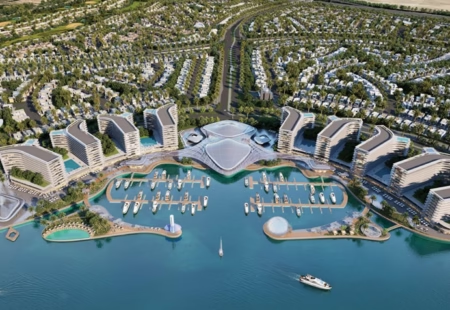
Dubai Islands is becoming one of the most important new waterfront projects in Dubai. The development is led by Nakheel and covers around 17 square kilometres across five connected islands near Deira. It is also a major part of the Dubai 2040 Urban Master Plan, which focuses on coastal growth, tourism, and mixed-use communities.
The timing of this project matters. Dubai’s property market has been growing fast in recent years. In 2023, property transactions crossed AED 400 billion, according to Dubai Land Department figures. Waterfront areas performed especially well. Prices and rents in beachside communities rose faster than many inland districts. Palm Jumeirah apartments, for example, saw huge price growth between 2020 and 2024. At the same time, beachfront villas across Dubai remain limited in supply.
Dubai Islands enters the market at an earlier stage compared to mature waterfront areas like Palm Jumeirah, Bluewaters Island, and Jumeirah Bay Island. Prices are still lower in many cases, but the project already benefits from strong infrastructure planning, airport access, and proximity to old Dubai.
The shift from the old “Deira Islands” name to “Dubai Islands” also shows a change in strategy. Earlier plans focused more on tourism and retail. The newer vision puts more attention on residential living, branded homes, wellness communities, and long-term residents. This change reflects how Dubai’s luxury market has evolved. Today, more buyers are moving to Dubai permanently instead of buying only for short-term speculation.
Development Background and Master Plan Vision
Dubai Islands first started as Palm Deira during Dubai’s early artificial island expansion in the mid-2000s. After the global financial crisis, the project was redesigned several times before Nakheel relaunched it under the Dubai Islands brand with a more balanced and realistic plan.
The updated master plan takes lessons from older mega projects in Dubai. Instead of focusing only on hotels and tourism, Dubai Islands combines residential areas, hospitality zones, wellness spaces, marinas, retail areas, and public beaches.
The scale of the project remains very large:
- More than 60 kilometres of waterfront
- Over 20 kilometres of beaches
- Approximately 2 square kilometres of parks and green spaces
- Around 80 hotels and resorts planned
- Multiple marinas and waterfront promenades
- Golf and sports infrastructure integrated across islands
One of the main goals of Dubai Islands is to create a community that stays active all year. Older waterfront districts in Dubai often depended heavily on tourism. That created seasonal demand and weaker neighbourhood identity.
Dubai Islands aims to avoid that problem by building a mixed-use coastal city where people actually live full time. This matters because communities with permanent residents usually support stronger retail activity, more stable rents, and better long-term property values.
Dubai’s population is expected to reach around 5.8 million by 2040. At the same time, the UAE continues attracting wealthy individuals and global investors. Reports from Henley & Partners showed that the UAE ranked among the top destinations for millionaire migration in both 2023 and 2024. Waterfront communities that can attract long-term wealthy residents are becoming more valuable every year.
Location and Connectivity
One of Dubai Islands’ biggest strengths is its location. Unlike Palm Jumeirah, which sits farther from old Dubai and airport infrastructure, Dubai Islands is close to Deira and Dubai International Airport.
Road Connectivity
Dubai Islands connects through major infrastructure routes including:
- Infinity Bridge
- Al Ittihad Road
- Sheikh Zayed Road access corridors
- Deira road network
The Infinity Bridge improved traffic movement in northern Dubai and reduced congestion between Bur Dubai and Deira. This upgrade is important because accessibility was once a weakness for older Deira waterfront areas.
In real estate, better infrastructure often leads to stronger property growth. Areas with improving transport links usually attract more buyers and investors once projects are completed.
Airport Access
Dubai Islands is located approximately 15 to 20 minutes from Dubai International Airport.
This proximity creates a measurable advantage for:
- International investors
- Frequent business travellers
- Holiday-home buyers
- Luxury tourism operators
- Short-term rental investors
Dubai International Airport handled more than 86 million passengers in 2023. Tourism numbers are expected to keep growing. Waterfront communities near airports often perform well because they attract international buyers who travel often and prefer convenience.
Business District Connectivity
Dubai Islands maintains practical access to major commercial hubs including:
- Deira
- Downtown Dubai
- DIFC
- Business Bay
- Dubai Creek Harbour corridor
This location gives Dubai Islands an advantage over purely resort-style communities. Residents can enjoy beachfront living while still reaching business districts without long travel times.
Metro and Public Transport
The nearby Deira district already benefits from Dubai Metro connectivity through both Green Line and Red Line interchange systems.
Future marine transport systems, bridges, and water mobility plans are also expected to improve movement between the islands. If these systems are delivered properly, Dubai Islands could become more practical and connected than some older waterfront projects that depend mainly on cars.
Understanding the Five-Island Structure
The five islands were designed with different lifestyles and buyer groups in mind. Instead of creating one single luxury district, Nakheel divided the project into separate zones. This approach makes sense because Dubai’s property market now serves many different buyer types, from ultra-luxury investors to families and wellness-focused residents.
Island A – Urban Waterfront and Marina District
Island A acts as the main commercial and residential centre of Dubai Islands.
Development Focus
The island includes:
- High-rise residential towers
- Marina districts
- Waterfront promenades
- Retail and entertainment zones
- Luxury hotels
- Cultural spaces
The concept is similar to successful mixed-use waterfront areas like Dubai Marina and Singapore’s Marina Bay.
Lifestyle Positioning
Island A targets:
- Young professionals
- International investors
- Entrepreneurs
- Short-term rental operators
- Residents seeking walkable urban environments
This strategy makes sense because busy waterfront districts usually create stronger activity and rental demand than low-density villa communities.
Demand Drivers
One of the strongest points for Island A is rental demand.
Dubai Marina has long remained one of Dubai’s busiest apartment markets because it attracts both tourists and residents. If Island A creates a similar environment, it could become the main activity hub of Dubai Islands.
Still, there are risks. Dubai has added many new waterfront apartment towers since 2022. Long-term success will depend on whether Island A creates a unique lifestyle instead of becoming another standard apartment district.
Retail activity, marina operations, hospitality, and public spaces will all play a major role in its future success.
Island B – Beachfront Resort Living
Island B focuses on beachfront residential communities with lower density.
Development Focus
The island includes:
- Beachfront villas
- Mid-rise residences
- Boutique resorts
- Family beach clubs
- Landscaped open spaces
This island creates a balance between urban living and relaxed coastal life.
Lifestyle Positioning
Island B targets buyers seeking:
- Family-oriented beachfront living
- Holiday-home ownership
- Resort-style amenities
- Lower-density environments
Compared to Island A, this area is expected to feel quieter and more residential.
Demand Drivers
Beachfront property remains one of Dubai’s most limited real estate segments.
Market reports show that beachfront villas continue achieving some of the city’s highest prices per square foot. Palm Jumeirah villas crossed AED 6,000 per square foot in several luxury deals during 2024.
Island B enters the market before prices fully mature.
The biggest investment advantage here is scarcity. Dubai cannot endlessly create premium beachfront land with direct sea access. Because of this, early beachfront communities often see stronger long-term growth than inland luxury areas.
Island C – Wellness and Green Living
Island C focuses on wellness and green living.
Development Focus
The island includes:
- Green parks
- Wellness resorts
- Eco-focused hospitality
- Golf infrastructure
- Family recreation zones
- Low-density villas
The concept follows global trends where luxury buyers now value wellness and outdoor living more than before.
Lifestyle Positioning
Island C targets residents prioritising:
- Wellness-focused lifestyles
- Outdoor recreation
- Lower-density living
- Family environments
- Green open spaces
Demand Drivers
The wellness real estate sector globally surpassed USD 400 billion according to the Global Wellness Institute. Dubai developers increasingly integrate wellness branding because affluent buyers now prioritise lifestyle quality alongside luxury finishes.
The argument supporting Island C is particularly strong post-pandemic. Demand for larger homes, outdoor spaces, and wellness infrastructure accelerated significantly after 2020.
However, wellness positioning alone is insufficient commercially. The island’s long-term success depends on execution quality, landscaping maintenance, and whether green infrastructure remains genuinely usable rather than purely marketing-driven.
Island D – Sports and Active Lifestyle Community
Island D focuses on sports and recreation-led coastal living.
Development Focus
The island includes:
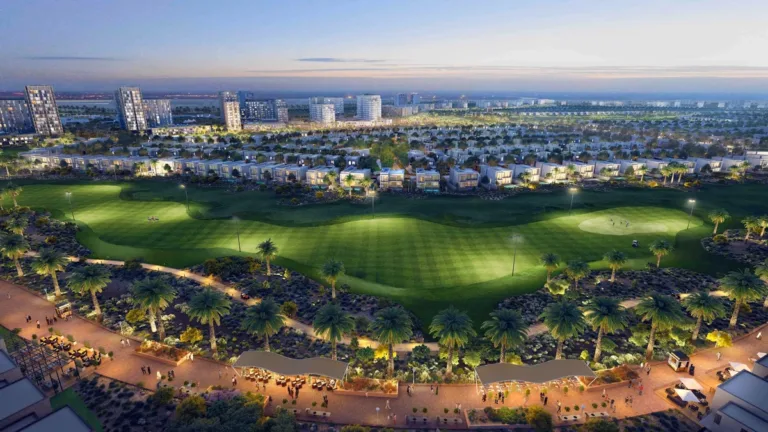
- 9-hole golf course
- Country club
- Tennis facilities
- Water sports infrastructure
- Recreation zones
- Beach clubs
Lifestyle Positioning
Island D targets:
- Golf enthusiasts
- Active families
- Leisure-focused buyers
- Luxury second-home investors
Demand Drivers
Golf communities have historically performed well in Dubai. Areas like Emirates Hills, Jumeirah Golf Estates, and Dubai Hills Estate all attracted strong demand because of their recreation facilities and lifestyle appeal.
Sports-focused communities also tend to create stronger long-term resident loyalty compared to purely investment-driven apartment districts.
However, golf infrastructure also brings higher maintenance costs and operational challenges. Long-term value growth will depend on whether Island D develops into a real community instead of only a leisure destination.
Island E – Ultra-Luxury Private Estates
Island E represents the ultra-prime section of Dubai Islands.
Development Focus
The island includes:
- Ultra-luxury estates
- Private marinas
- Residents-only clubs
- Low-density planning
- Private waterfront access
Commercial activity is intentionally restricted to preserve exclusivity.
Lifestyle Positioning
Island E targets:
- Ultra-high-net-worth individuals
- Family offices
- International wealth migrants
- Yacht owners
- Buyers prioritising privacy
Demand Drivers
Dubai’s ultra-luxury market has grown quickly since 2021. Knight Frank ranked Dubai among the world’s top luxury residential markets for price growth between 2022 and 2024.
The biggest strength of Island E is limited supply. Ultra-prime waterfront estates with marina access remain rare in Dubai.
Still, buyers at this level compare Dubai projects with global luxury destinations like Miami, Monaco, and the French Riviera. Design quality, privacy, and marina standards must meet international expectations.
Key Residential Projects in Dubai Islands
Bay Grove Residences by Nakheel
Bay Grove Residences is one of Nakheel’s main apartment launches in Dubai Islands.
Project Overview
The project offers one to four-bedroom beachfront apartments starting from around AED 1.85 million.
Compared to Palm Jumeirah’s early pricing, Bay Grove enters the market at a lower value stage.
Exclusivity and Lifestyle
Key features include:
- Waterfront views
- Private beach access
- Resort-style pools
- Wellness facilities
- Landscaped leisure zones
Market Demand
One of the strongest investment points for Bay Grove is pricing potential.
Beachfront apartments in mature waterfront areas often sell for AED 3,000 to AED 5,000 per square foot or more. Dubai Islands projects still remain below those levels in many cases, which could create future upside if infrastructure delivery continues successfully.
Bay Villas by Nakheel
Bay Villas focuses on waterfront villas and townhouses.
Project Overview
The project includes three and four-bedroom villas starting near AED 4 million.
Exclusivity and Lifestyle
Features include:
- Waterfront positioning
- Family-oriented layouts
- Larger plot configurations
- Community landscaping
- Marina proximity
Market Demand
Dubai’s villa market still faces limited supply.
Villa demand increased sharply after 2020 as more international families moved to Dubai. Waterfront villas remain especially rare because coastal land is limited.
The main investment case for Bay Villas is simple: strong demand and limited supply.
Rixos Dubai Islands Hotel & Residences
Rixos Dubai Islands Hotel & Residences combines hotel operations with branded residences.
Project Overview
The development integrates hotel infrastructure with serviced residential ownership.
Exclusivity and Lifestyle
Residents benefit from:
- Concierge services
- Resort amenities
- Spa facilities
- Fine dining
- Family entertainment
- Beachfront access
Market Demand
Branded residences became one of Dubai’s fastest-growing luxury segments between 2021 and 2024.
Reports from Savills showed that branded residences often achieve higher prices than non-branded luxury projects.
The strength of Rixos comes from brand recognition, hospitality services, and stronger international appeal.
Ellington Cove and Ellington Sands
Ellington Cove and Ellington Sands focus on boutique luxury apartments.
Project Overview
The projects offer design-focused beachfront residences with lower-density layouts.
Exclusivity and Lifestyle
Features include:
- Designer interiors
- Boutique beachfront environments
- Wellness amenities
- Premium finishes
- Architectural detailing
Market Demand
Ellington has built a strong reputation for design-led residential projects aimed at end users instead of short-term speculators.
The biggest advantage of these projects is differentiation. In crowded luxury apartment markets, design quality and boutique scale often help projects stand out.
Beach Walk Residences by Imtiaz
Beach Walk Residences targets furnished luxury apartment buyers and investors.
Project Overview
The project offers furnished beachfront apartments designed for both residents and short-term rental operators.
Exclusivity and Lifestyle
Features include:
- Furnished units
- Smart-home systems
- Resort amenities
- Beach access
- Holiday rental readiness
Market Demand
Dubai’s short-term rental market expanded strongly after tourism recovered post-2021.
Beachfront furnished apartments usually achieve higher nightly rental rates than inland units, especially near tourism areas.
The investment appeal here comes from rental income potential.
Samana Ocean Crest
Samana Ocean Crest represents the boutique resort-style apartment segment.
Project Overview
The project includes one to four-bedroom apartments with private pools and sea-facing layouts.
Exclusivity and Lifestyle
Features include:
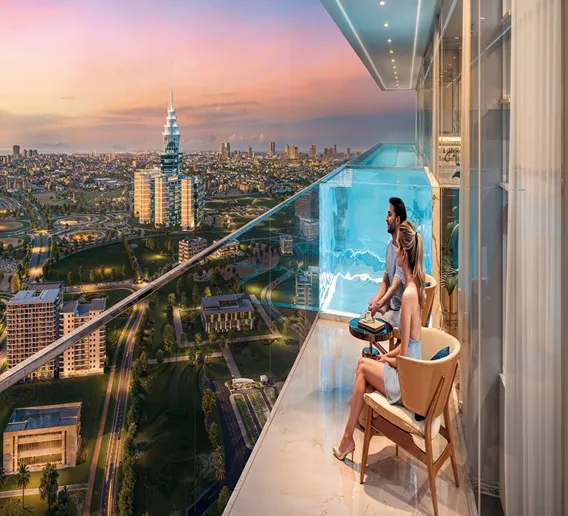
- Private balcony pools
- Resort-inspired architecture
- Wellness amenities
- Sea views
- Flexible payment plans
Market Demand
Private-pool apartments have become more popular among overseas buyers looking for luxury lifestyle properties.
Still, projects with flexible payment plans must also maintain strong construction quality and long-term management standards to protect resale value.
Final Outlook
Dubai Islands is more than another waterfront expansion project. It represents Dubai’s effort to build a next-generation coastal district that combines tourism, residential living, wellness infrastructure, and ultra-luxury communities within one master plan.
The strongest arguments supporting Dubai Islands are:
- Strategic proximity to Dubai International Airport
- Large-scale beachfront inventory
- Early-cycle pricing
- Strong tourism fundamentals
- Rising global wealth migration into Dubai
- Limited long-term waterfront land supply
At the same time, the project’s future success depends heavily on execution quality, infrastructure delivery, retail activity, and long-term residential demand.
If Nakheel properties delivers the full vision successfully, Dubai Islands could become one of Dubai’s most important waterfront investment destinations over the next decade.