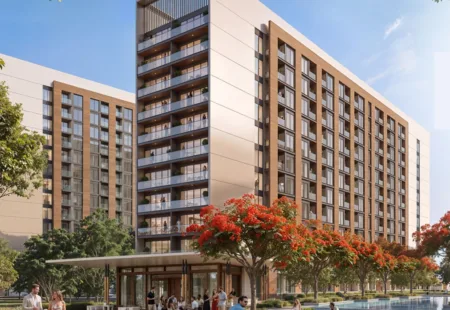
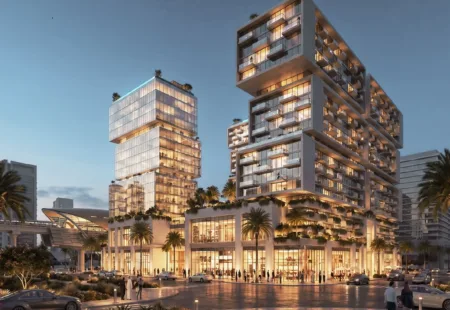
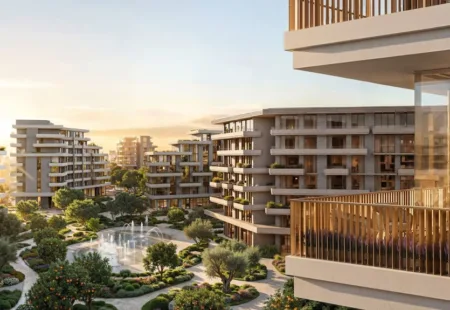
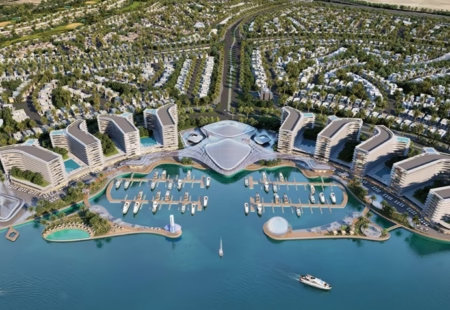
Jumeirah Village Circle is now one of the most reliable apartment markets in Dubai. It has moved past the early development phase. Today, it works as a high-occupancy residential zone with steady rental demand and continuous investor activity. Prices remain within reach compared to prime areas, which keeps transaction volume high.
SAMANA Developers has built a strong footprint in this market. Their projects follow a consistent model. They focus on mid-luxury apartments, add private pools in many units, and offer flexible payment plans. This combination is designed for investors who want rental income with manageable entry cost.
This breakdown explains how JVC works as a location and how SAMANA projects perform within it.
Why JVC Continues to Attract Investors
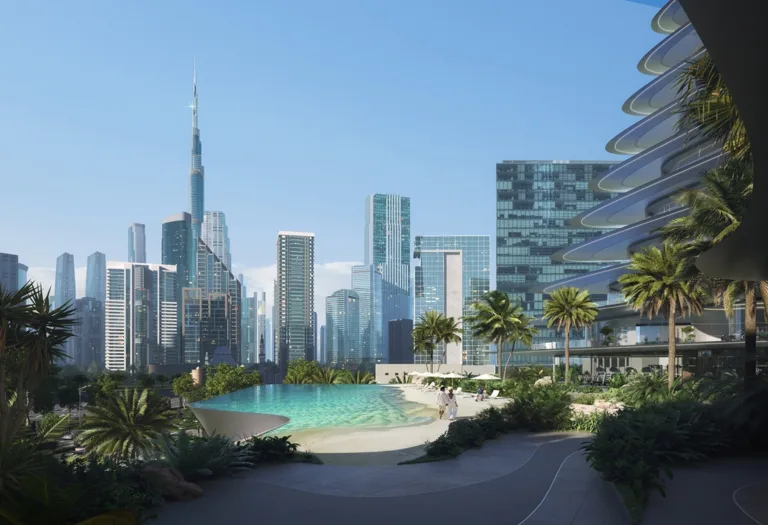
Jumeirah Village Circle sits between two major highways. These are Al Khail Road and Sheikh Mohammed Bin Zayed Road. This gives residents fast access to key parts of the city. Travel times are practical. Downtown Dubai and Dubai Marina are both around 20 minutes away. Internet City and Media City are even closer.
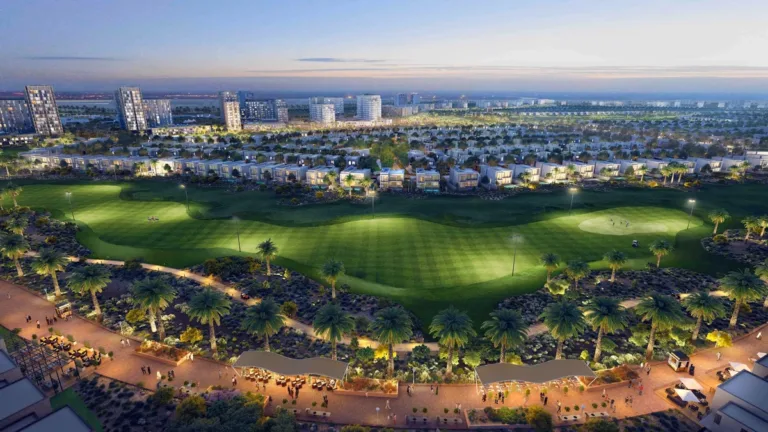
The master plan was developed by Nakheel. The layout combines villas, townhouses, and apartment buildings. Parks are spread across the community. Over time, retail shops, schools, and clinics have been added. This has turned JVC into a complete residential area rather than a construction zone.
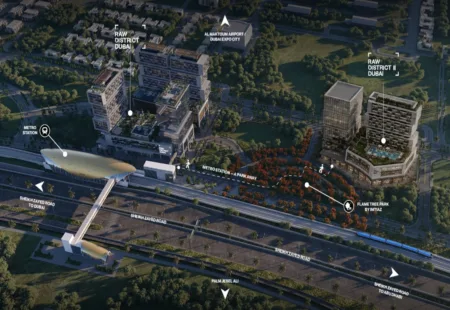
Public transport options are still limited. Most residents use cars. Despite this, demand remains strong because road connectivity is efficient.
The key point is simple. JVC offers central access without central pricing. This keeps it relevant for both tenants and investors.
Rental Demand and Price Behavior
JVC is known for strong rental returns. This is not based on marketing claims. It is supported by consistent occupancy levels across most buildings.
Typical rental yields in the area are:
- Studios around 8.5% to 11%
- One-bedroom units around 8% to 10%
- Two-bedroom units around 7% to 9%
Short-term rentals can generate higher returns. This depends on furnishing quality, unit design, and management.
Tenant demand comes from working professionals, couples, and small families. Many tenants choose JVC because it offers better space at lower rent compared to Marina or Downtown.
Prices have increased in recent years. However, supply continues to grow. New projects enter the market regularly. This means not every building performs equally. Projects with better amenities and design maintain stronger rental performance.
How SAMANA Positions Its Projects
SAMANA Developers does not compete only on price or location. Their main strategy is product differentiation.
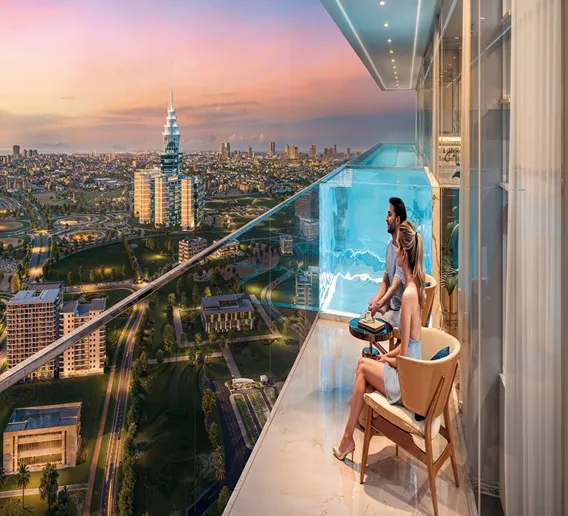
The most important feature is private pools inside apartments. This is not common in mid-market housing. It changes how the unit is perceived. It also affects rental pricing and occupancy.
From an investor perspective, this feature has clear impact. Units with private pools can charge higher rent. They also attract short-term tenants who are willing to pay premium rates.
SAMANA also uses flexible payment plans. These often include low down payment and monthly installments. This reduces the initial capital requirement. It allows investors to enter the market with lower upfront cost.
The result is a product designed for rental performance rather than end-use luxury.
Samana Waves (Phase 1 and Phase 2)
Samana Waves is located in District 13. It includes studios, one-bedroom, and two-bedroom apartments. This project played a key role in introducing private pools in mid-market buildings.
Phase 1 established demand. Samana Waves 2 improved design and layout efficiency.
The apartments are compact but practical. Selected units include private pools. Shared amenities include a central swimming pool, gym, landscaped areas, and parking.
District 13 is a quieter part of JVC. It has lower traffic compared to central clusters. This supports long-term tenancy.
Rental demand in this project has remained strong. Units with private pools achieve higher pricing compared to standard apartments. Typical rental yields fall between 8.5% and 11%. Short-term rental demand is also high, especially for furnished units.
Samana Manhattan (Phase 1 and Phase 2)
Samana Manhattan is located across District 12 and 13. The structure includes a ground floor, podium levels, and 16 residential floors. It has around 193 units.
This project takes the private pool concept further. All apartments are designed with private pools. This creates consistency across the building and strengthens its market positioning.
Amenities include rooftop leisure areas, gym facilities, and dedicated recreational spaces. The design is more refined compared to earlier projects.
District 12 offers better access to main roads. This reduces travel time for residents who commute daily.
Rental performance is expected to remain stable. Yields are typically between 8% and 10%. Short-term rentals can push returns higher depending on occupancy and management quality.
Samana Miami
Samana Miami is located in District 14. It offers one-bedroom and two-bedroom apartments with a focus on leisure design.
The project includes private pools in selected units along with larger shared pool areas and outdoor decks. The layout gives more space to common areas compared to standard mid-market projects.
District 14 provides easier exit routes toward Sheikh Mohammed Bin Zayed Road. This improves daily travel for residents working outside central Dubai.
The project appeals to both residents and short-term rental investors. Rental yields usually range from 8% to 10.5%. Units with strong furnishing and pool access tend to perform better in short-term rentals.
What Actually Drives Returns in SAMANA Projects
The performance of these projects depends on specific factors. It is not only about location.
Private pools are the main differentiator. They allow higher rental pricing and better occupancy. This is especially important in a market with high supply.
However, this advantage works only when supported by good maintenance and service quality. Investors should look closely at service charges and building management.
Unit selection also matters. Factors such as layout, view, and pool placement can affect rental income. Two units in the same building may perform differently.
Long-Term Outlook for JVC
JVC continues to hold its position because of three core strengths.
The first is location. It sits within Dubai’s central corridor. This ensures steady tenant demand.
The second is infrastructure. Schools, shops, and services are already in place. Residents do not depend on future development.
The third is affordability. Prices remain lower than prime areas. This keeps the market active and liquid.
For investors, this means lower risk compared to emerging areas. However, growth may be slower than new development zones.
Final Investment Perspective
SAMANA Developers has built a clear identity in JVC. Their projects are structured for rental income. Private pools and flexible payment plans support this goal.
JVC itself remains a strong rental market. It offers consistent demand, good yields, and central access.
The key is disciplined selection. Investors should not rely only on developer branding. They should compare units, check rental data, and evaluate costs.
A practical approach is simple. Study rental comps in the same district. Review service charges. Understand payment plan impact on total investment.
When these factors are aligned, SAMANA projects in JVC can deliver steady income and strong occupancy over time.